
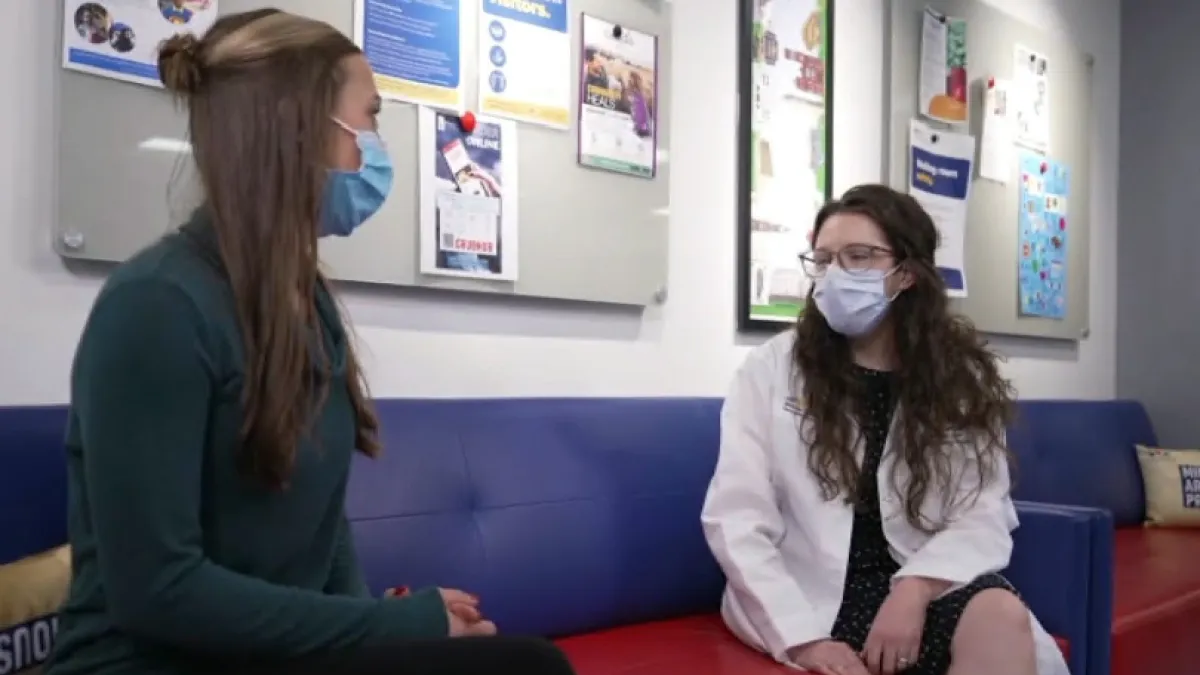
You hear the last infusion pump fall silent. The room looks familiar and strange. People smile while you count quiet questions. What happens to energy next week? When will routine feel safe again? How do you explain new limits kindly? This stage needs patience and simple structure.
Why does this stage feel strange?
Treatment organizes life into strict schedules and goals. Finishing removes the familiar rails overnight. Your body still adapts after significant stress. Hormones, sleep, and appetite need fresh balance. Muscles and mood want gentle training again. Family and friends expect quick normal, not slow steady. Naming this gap helps everyone respond with care.
What follow up schedule should you expect?
Follow up visits usually start more frequent. They often spread out over time. The exact plan depends on cancer type. Imaging, blood work, and exams guide decisions. Bring a short list of questions each visit. Record dates and results in one notebook. Clarity reduces worry during quiet weeks.
How do you manage fatigue daily?
Cancer fatigue feels different from ordinary tiredness. It lingers despite rest and surprises plans. Choose one anchor task for mornings. Insert brief pauses before heavy moments. Eat small balanced meals to steady energy. Hydrate early and keep a bottle nearby. Track good hours and build routines around them.
What should eating look like now?
Focus on simple, colorful, and balanced plates. Include vegetables, fruits, whole grains, and protein. Add healthy fats like olive oil and nuts. Limit heavy sugars that crash energy later. Try small snacks if appetite feels shaky. Listen to hunger and fullness cues patiently. Comfort grows with predictable rhythms at home.
Where does movement fit safely?
Movement can feel like medicine after treatment. Start with short walks at comfortable pace. Add light strength work when balance improves. Stretch gently to release guarded muscles. Increase minutes slowly across several weeks. Stop if pain or dizziness appears. Share progress with your clinician during reviews.
How can sleep recover steadily?
Sleep often changes during treatment seasons. Rebuild sleep with calm evening rituals. Dim lights and cool the room slightly. Keep phones outside the bedroom door. Use a short list to park busy thoughts. Wake at the same time most days. Regularity teaches the body to trust nights again.
What about fear of recurrence?
Fear often spikes before scans and anniversaries. Acknowledge fear without feeding it. Schedule small pleasant plans near scans. Share specific worries with trusted people. Learn the common warning signs calmly. Ask how to reach the clinic after hours. Clear steps reduce the room that fear occupies.
How do you talk with family kindly?
Start with what you can do today. Add what feels hard and why. Offer one way they can help now. Invite questions and keep answers short. Set a time limit to protect energy. Thank people for listening with care. Warm tone keeps support flowing over months.
What changes at work or school?
Return plans work best when phased. Start with lighter hours if possible. Protect one midday break for rest. Clarify tasks that will pause temporarily. Share a simple emergency contact plan. Review progress after two or three weeks. Adjust without guilt when signs show strain.
How do medicines change post treatment?
Some medicines continue as prevention. Others stop when cycles end. Keep an updated list in your wallet. Note doses, timing, and common effects. Ask about interactions with supplements. Bring unopened bottles to your next visit. Clear records prevent mix ups during busy days.
What late effects should you watch?
Late effects vary by therapy and site. Nerves may tingle or feel numb. Joints can feel stiff in the morning. Hormone shifts may change mood or heat tolerance. Heart or lung comfort deserves attention. Skin can remain sensitive for some time. Report new patterns rather than waiting months.
How should you track symptoms wisely?
Use a small notebook or phone notes. Record date, time, and brief description. Note what helped or made it worse. Bring patterns to visits for context. Photos can support skin or swelling changes. Keep notes simple and readable later. Simple data guides practical next steps.
Where do mental health supports fit?
Body and mind heal on linked timelines. Many people feel flat after finishing. Counseling can offer skills for daily balance. Group sessions normalize common emotions safely. Brief breathing exercises reduce sudden spikes. Music, nature, and faith traditions support many. There is no single correct path here.
What about sexual health and fertility?
Bodies and desires often change with treatment. Dryness, pain, or reduced interest can appear. Gentle communication protects relationships from guesswork. Lubricants and pacing often help comfort. Ask about safe options for hormonal symptoms. Fertility counseling can review future plans. Respect your pace without self judgment.
How can you handle pain or neuropathy?
Neuropathy may feel like tingling or burning. Protect feet and fingers during chores. Choose shoes with stable support and grip. Use gloves for cold objects when needed. Pain plans may include gentle medicines. Physical therapy can train safer movement. Ask for timely adjustments if comfort lags.
What if you had lymph nodes removed?
Swelling risk can increase near the site. Learn early signs like tight rings or sleeves. Avoid blood draws on that side if advised. Protect skin from cuts and sunburns. Use gradual activity increases with monitoring. Compression garments may help for some. Share changes quickly for tailored guidance.
How do vaccines and infections factor?
Immunity may rebound slowly after therapy. Ask which vaccines fit your timeline. Flu and pneumonia shots often help. Family vaccines protect shared spaces kindly. Hand hygiene still reduces many surprises. Call for fever or unusual chills promptly. Clear plans keep small issues from growing.
How should you plan travel and insurance?
Travel becomes possible with preparation. Carry medicines in original containers. Pack a brief summary of your history. List allergies and key contacts clearly. Choose destinations with nearby care options. Confirm insurance details before booking. Rest days after travel protect energy and mood.
What belongs in a survivorship care plan?
A survivorship plan summarizes key details. It lists diagnosis, treatments, and dates. It highlights possible late effects to watch. It maps follow up timing and tests. It includes contacts for urgent questions. It notes lifestyle goals that support recovery. Ask your team to help create one.
When should you call your clinician?
Call for fever, chest pain, or short breath. Call for sudden weakness or confusion. Call for new swelling or red streaks. Call for pain that climbs despite rest. Call if a wound looks angry or drains. Trust your instincts when something feels wrong. Early calls save time and worry.
How can food support gentle healing?
Aim for variety across the week. Enjoy fish, legumes, and lean meats. Choose whole grains for steady energy. Include yogurt or milk if tolerated. Flavor with herbs, citrus, and seeds. Drink more water on active days. Cooking simple meals builds confidence and appetite.
Where does culture shape recovery plans?
Family roles and expectations vary widely. Some communities expect quick return to duties. Others encourage extended rest and ceremonies. Honor tradition while protecting your limits. Translate clinical advice into familiar words. Invite elders or community leaders respectfully. Shared understanding reduces friction during tough weeks.
What role does alcohol play now?
Alcohol tolerance may change after therapy. It can disturb sleep and appetite. It may interact with certain medicines. Consider very modest amounts if any. Choose several alcohol free days weekly. Discuss personal risks with your clinician. Your comfort and safety come first.
How do finances and paperwork affect calm?
Costs and forms can drain energy quickly. Ask about hospital social workers for support. Explore national assistance or community programs. Keep receipts and letters in one folder. Set reminders for insurance deadlines. Tackle tasks in short timed sessions. Small steps prevent long backlogs later.
How can you rebuild confidence in your body?
Start with gentle goals that you can meet. Celebrate the first week of steady walks. Notice posture and breathing during chores. Stretch slowly each morning and evening. Track wins in a visible place at home. Confidence grows from frequent small successes. Confidence invites larger goals later.
What about spirituality and meaning now?
Many people rethink purpose after treatment. Some feel gratitude and fear together. Conversations with mentors can guide paths. Quiet time helps sort changing values. Volunteering can restore community connection. Meaning does not need quick answers. Give yourself room to explore gently.
How do you support children and teens?
Children watch adult tone more than details. Offer honest, simple updates about health. Keep routines steady when possible at home. Invite questions and accept their feelings. Plan special time that fits energy levels. Inform teachers about expected good days. Predictability helps young minds feel secure.
How can caregivers protect their energy?
Caregivers also need rest and support. Encourage breaks without guilt or apology. Share tasks among relatives and friends. Prepare simple meals that reheat well. Keep clinic notes in a shared folder. Plan small rewards after hard days. Healthy caregivers support steady recovery better.
How do you balance caution and joy?
Caution protects comfort during early months. Joy keeps spirits lifted and resilient. Start with small outings that feel safe. Pick times when crowds are lighter. Pack water and snacks for flexibility. Leave early if fatigue whispers loudly. Joy grows when plans respect current limits.
What should you ask during checkups?
Ask about expected recovery milestones. Ask which symptoms need urgent evaluation. Ask how to improve sleep and appetite. Ask about vaccines and safe travel timing. Ask which exercises fit your stage. Ask how to reach the clinic quickly. Clear questions lead to clearer plans.
Where does workplace policy meet health needs?
Discuss temporary adjustments with supervisors. Share a simple letter from your clinician. Consider flexible hours during early return. Use protected leave rules where available. Request quiet areas for short breaks. Review options after the first month. Plans improve with real world feedback.
How does community support make life easier?
Local groups offer shared experience and tips. Community centers host gentle activity classes. Faith groups often organize meal support. Municipal programs sometimes fund transport. Workplaces may have employee assistance programs. Accepting help reduces isolation and strain. Helping later can also feel meaningful.
What signals real progress during months ahead?
You recover more morning energy consistently. You bounce back faster after busy days. Sleep feels deeper more nights each week. Anxiety before scans feels smaller. Friends notice steadier mood and strength. Clothes fit better as muscles wake. Small signs often arrive before big moments.
According to our editor’s research, what habits help?
According to our editor’s research, three patterns stand out. People who keep a single anchor bedtime feel calmer. Those who schedule brief walks most days regain energy faster. Families who hold a weekly check in avoid misunderstandings. A written list for visits reduces worry. Simple meals cooked twice weekly stabilize appetite. These small anchors outlast willpower during tough weeks.
As a result of our editor’s reviews, what tools work?
As a result of our editor’s reviews, light systems help. A shared calendar prevents missed follow ups. A bedside notebook reduces late phone scrolling. A small gym timer protects rest breaks. A labeled folder holds insurance letters safely. A travel pouch keeps medicines together. Tools should be simple, visible, and easy.
Which local resources support this stage?
National cancer societies provide friendly guides. Health ministries publish vaccination advice. Hospitals share survivorship clinic schedules. Community centers host wellness programs. Occupational groups advise on phased returns. These sources align with clinic experience. Ask your team which local options fit you.