
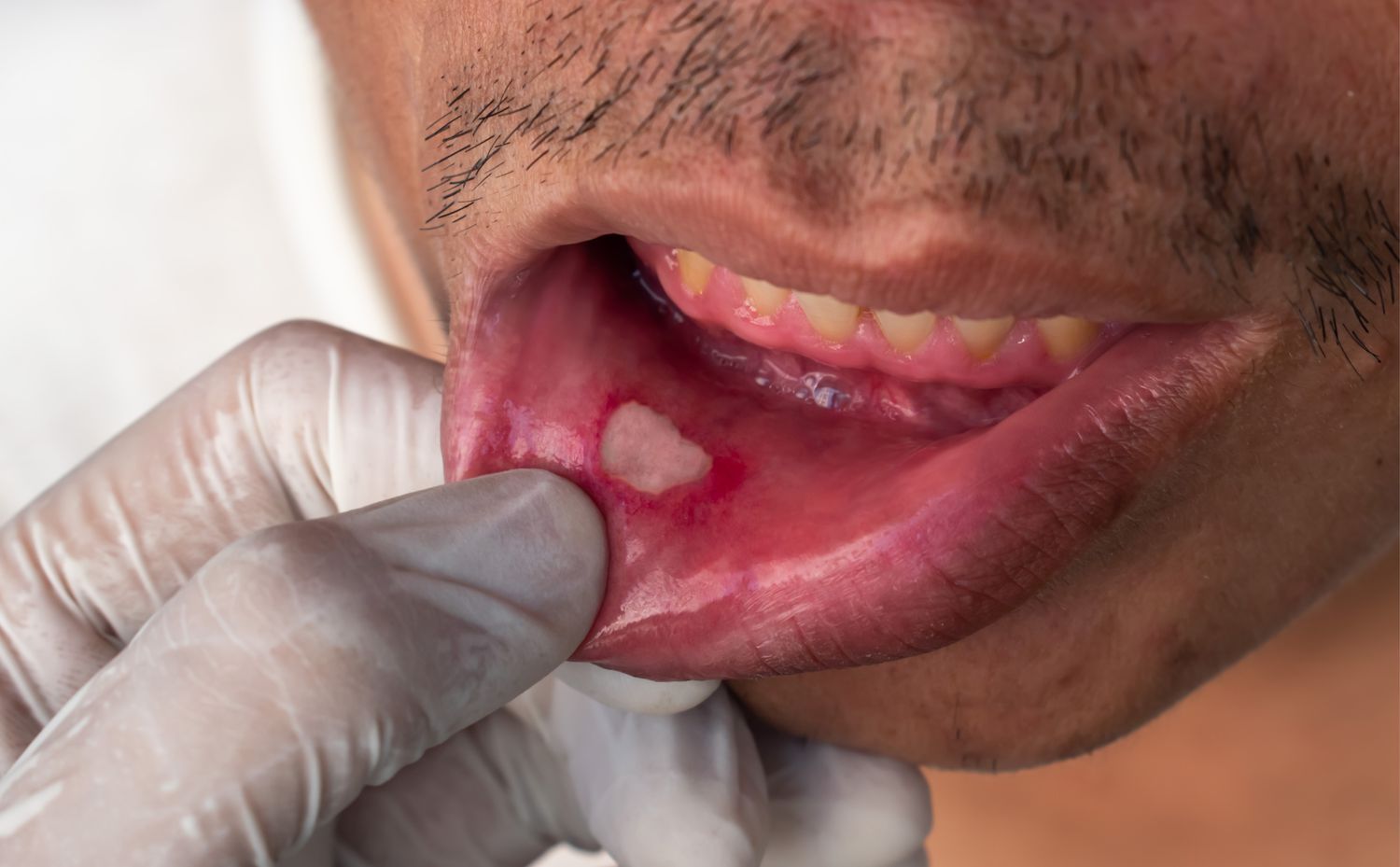
Mouth sores during cancer therapy often catch patients off guard because they appear suddenly and disrupt basic routines. Eating becomes uncomfortable, speaking feels strained, and even swallowing can require extra effort. According to our editor’s research, many people describe these sores as one of the most frustrating side effects because they interfere with normal life in ways they never expected. The emotional impact can be just as heavy as the physical discomfort, especially when the pain limits social interactions or favorite meals. Some patients feel anxious when sores continue for days, while others try different strategies to find relief. These experiences highlight how important gentle support and practical guidance become during treatment.
Why do mouth sores appear during cancer treatment?
Mouth sores often happen because many cancer therapies affect fast-growing cells found in the mouth’s lining. Chemotherapy and radiation target harmful cells but unintentionally irritate healthy tissues as well. As a result of our editor’s reviews, patients undergoing treatments for head and neck cancers experience these sores more frequently. The mouth becomes sensitive, dry, or irritated, which creates small wounds that develop into painful ulcers. These sores do not reflect poor hygiene or personal mistakes but simply the body’s natural reaction to therapy. People often feel discouraged when the discomfort builds, yet understanding the cause helps ease unnecessary worry. Medical teams regularly prepare patients for this possibility, emphasizing that the symptoms are temporary and manageable.
How do these sores affect daily routines and comfort?
Even minor sores can affect daily life because the mouth is involved in nearly every moment of communication and nourishment. Eating soft foods becomes easier than chewing firm textures, while hot or spicy meals may trigger extra pain. According to our editor’s research, many patients switch to cooler, smoother options to reduce irritation. Talking for long periods may also feel tiring because movement of the lips and tongue can stretch the sore areas. Social activities may decrease because discomfort sometimes makes people self-conscious. The soreness may also interrupt sleep when dry mouth irritates sensitive spots. These challenges often create emotional frustration, which is why gentle reassurance becomes essential during treatment.
What early signs should patients watch for?
Recognizing early symptoms helps people respond before discomfort worsens. Patients may first feel tingling or slight burning in the mouth, which can quickly progress into red patches or tiny ulcers. As a result of our editor’s reviews, many people notice increased sensitivity to certain foods before visible sores appear. Dry mouth, swollen gums, or mild difficulty swallowing may also signal developing irritation. These early clues allow patients to adjust habits, choose gentler foods, and alert their care teams. Paying attention to small changes can prevent stronger discomfort and may speed recovery. Being proactive offers a sense of control during a time when many aspects of health feel unpredictable.
How can patients care for their mouth safely during treatment?
Gentle mouth care provides comfort because it protects delicate tissues from further irritation. Many patients rely on mild rinses that help soothe the lining and remove food particles without harsh chemicals. According to our editor’s research, avoiding alcohol-based mouthwashes is important because they increase dryness and sting irritated areas. Soft toothbrushes reduce friction, while careful brushing preserves gum health without causing tears. Hydration also plays a major role because moist tissues heal faster and feel less sensitive. People often carry small water bottles to sip throughout the day. These basic habits create a supportive environment where the mouth can recover more comfortably.
Which foods help reduce irritation and discomfort?
Food choices influence comfort because certain textures and temperatures can either soothe or aggravate sores. Soft foods feel easier to manage, while hot or acidic meals often increase pain. As a result of our editor’s reviews, many patients prefer yogurt, smoothies, mashed vegetables, and other cool options that require minimal chewing. Sweet and salty foods may sting, so neutral flavors offer better tolerance. Eating small amounts throughout the day may also help when larger meals feel overwhelming. People often rely on gentle nutrition strategies to maintain energy without worsening irritation. These adjustments support healing and prevent unnecessary discomfort during treatment.
Why does hydration matter for healing?
Hydration helps the mouth maintain a moist environment that supports natural repair. Saliva protects tissues and reduces friction that would otherwise worsen irritation. According to our editor’s research, many patients experience dry mouth during treatment due to medication effects. Drinking water regularly may ease soreness and improve comfort during meals. Some people find relief by sucking on ice chips or choosing hydrating foods like chilled fruit. The goal is not only to reduce dryness but also to prevent cracking or inflammation. Hydration becomes an accessible and reliable way to support the mouth as it heals.
How do emotions shape the experience of mouth sores?
Emotional reactions often play a large role in how patients cope with discomfort. People may feel frustrated, tired, or discouraged when seemingly simple tasks become complicated. As a result of our editor’s reviews, emotional fatigue can increase when sores last longer than expected. Some patients feel isolated because pain reduces participation in social routines. Others worry that the sores reflect treatment progress in negative ways, even though they are normal side effects. Support from friends, family, and healthcare teams can lighten these emotional burdens. Conversations with nurses or counselors often help people feel understood, which makes coping easier.
What medical relief options might be available?
Doctors can offer supportive treatments tailored to the level of discomfort. Some patients receive medicated rinses that help numb the mouth or reduce inflammation. According to our editor’s research, certain gels create protective coatings that shield sores from friction during meals. Pain relievers may be recommended when discomfort interferes with sleep or nutrition. In more severe cases, patients may need additional guidance to prevent infection or further irritation. Medical teams monitor mouth health closely because early intervention often shortens healing time. Asking questions during appointments helps patients understand which options suit their needs best.
How long do mouth sores usually last?
Mouth sores typically improve once treatment cycles pause or doses adjust. As a result of our editor’s reviews, mild sores often heal within one to two weeks. More intense ulcers may take longer but generally respond to supportive care. Healing speed varies based on the type of cancer therapy, overall health, and daily habits. Even when discomfort is persistent, the symptoms usually fade as treatment progresses. Patients often feel relieved when the sores begin shrinking or when sensitivity decreases. Understanding that the condition is temporary helps reduce anxiety and encourages patience during recovery.
What habits help prevent future irritation?
Protecting the mouth becomes easier when patients use daily routines that minimize friction and dryness. Gentle brushing supports gum health, while regular rinsing removes irritants. According to our editor’s research, avoiding tobacco and reducing alcohol intake also prevents additional strain on sensitive tissues. Eating slowly and choosing softer textures lowers the chance of accidental bites or scrapes. Some patients schedule regular oral care check-ins before each treatment cycle to monitor early changes. These habits reduce the severity of future sores and promote overall oral wellness during cancer therapy.