
Category: Contents

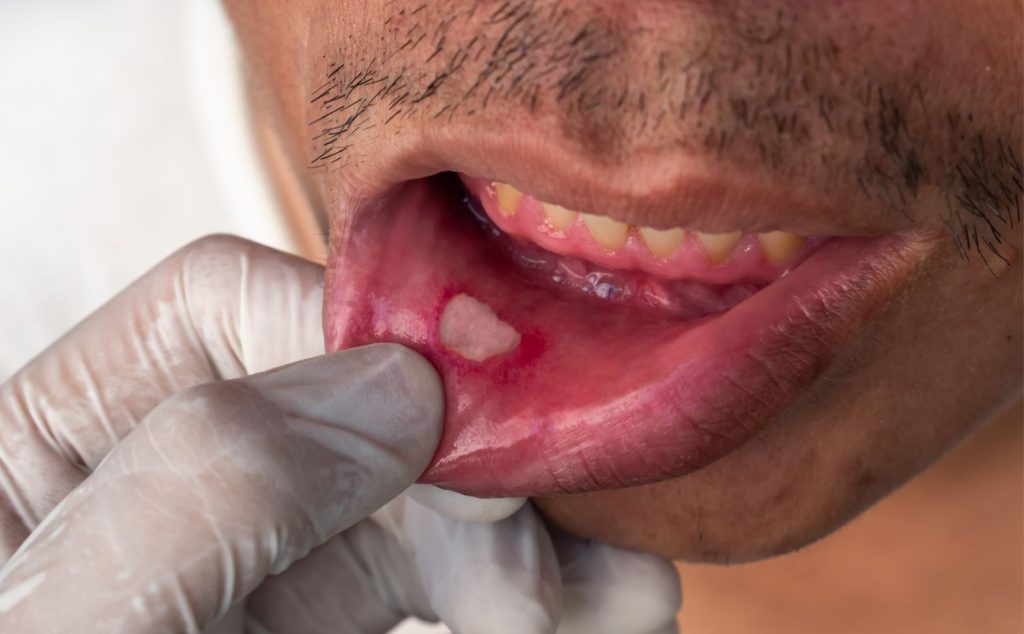
Mouth Sores From Cancer Treatment: Relief Tips

Mouth sores during cancer therapy often catch patients off guard because they appear suddenly and disrupt basic routines. Eating becomes uncomfortable, speaking feels strained, and even swallowing can require extra effort. According to our editor’s research, many people describe these sores as one of the most frustrating side effects because they interfere with normal life…
Read more

Coping With Anxiety and Depression During Cancer

Have you ever noticed how one medical appointment can shake your entire sense of stability, even if the news isn’t as bad as you feared? Many patients describe this feeling right after hearing the word cancer, because the diagnosis often triggers a wave of uncertainty that affects sleep, appetite and concentration. According to our editor’s…
Read more

The Importance of Regular Cancer Screenings

Have you ever found yourself thinking you feel perfectly fine and therefore a medical check can wait? Many people delay screenings for that exact reason because the absence of symptoms creates a false sense of reassurance. According to our editor’s research, health authorities consistently highlight that many cancers develop silently long before discomfort appears. This…
Read more

How to Navigate Life After Cancer Treatment

You hear the last infusion pump fall silent. The room looks familiar and strange. People smile while you count quiet questions. What happens to energy next week? When will routine feel safe again? How do you explain new limits kindly? This stage needs patience and simple structure. Why does this stage feel strange? Treatment organizes…
Read more

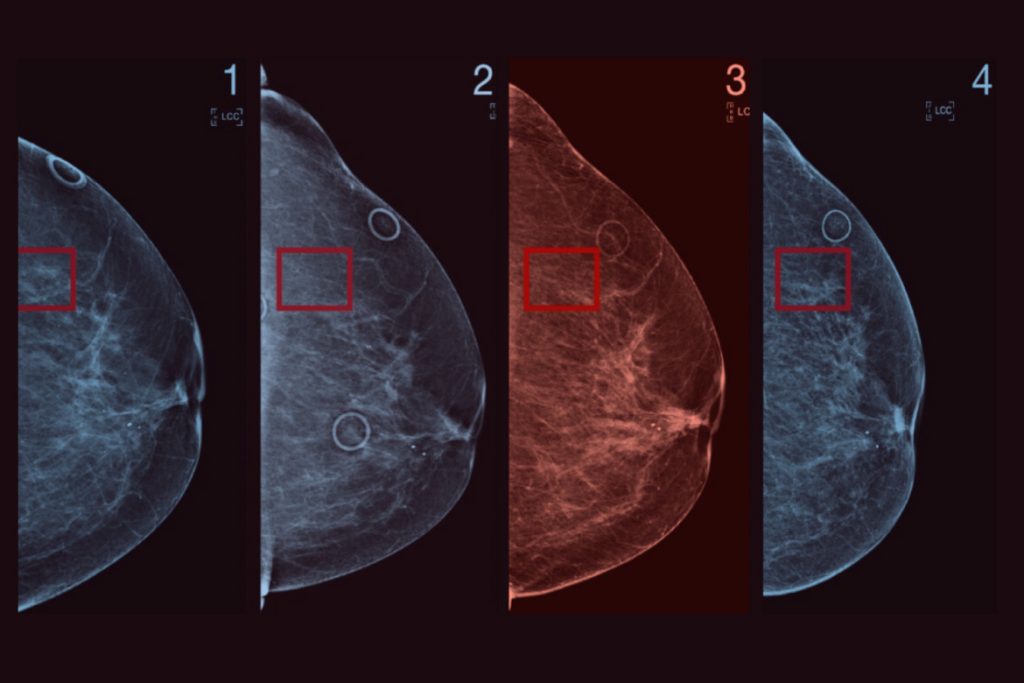
Latest Advances in Early Breast Cancer Detection

The ongoing effort to improve breast cancer detection involves a complex interplay of hardware innovations, computational refinement, and a deeper understanding of tissue biology, moving far beyond the simple two-dimensional X-ray image that has served as the screening cornerstone for decades. The inherent limitations of conventional mammography—most notably its reduced sensitivity in women with dense…
Read more

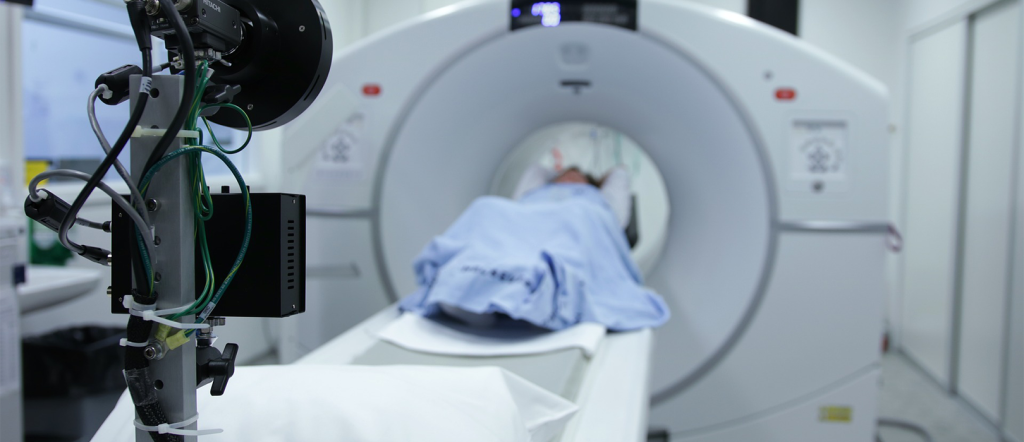
The Role of PET Scans in Cancer Diagnosis

The integration of advanced molecular imaging techniques has fundamentally reshaped the landscape of oncological practice, moving the diagnostic and staging process beyond mere structural depiction to the realm of cellular function. Positron Emission Tomography, commonly known as a PET scan, represents a pivotal shift, offering a unique metabolic window into the biological activity of suspected…
Read more

How to Support and Care for a Loved One With Cancer

The landscape of a cancer diagnosis changes everything, not just for the person facing the illness, but for every loved one orbiting their life. It is an immediate, seismic event that transforms established roles, priorities, and daily rhythms into an unpredictable, often frightening new reality. The initial instinct is to rush in and fix the…
Read more

The Vital Role of Oncologic Surgeons in Cancer Treatment

The function of the oncologic surgeon in the modern context of cancer care is fundamentally misunderstood if viewed only as the specialist who excises the tumor. While the removal of malignant tissue remains a core competency, their actual influence spans the entire patient journey, beginning with the initial diagnostic uncertainty and extending through complex planning,…
Read more

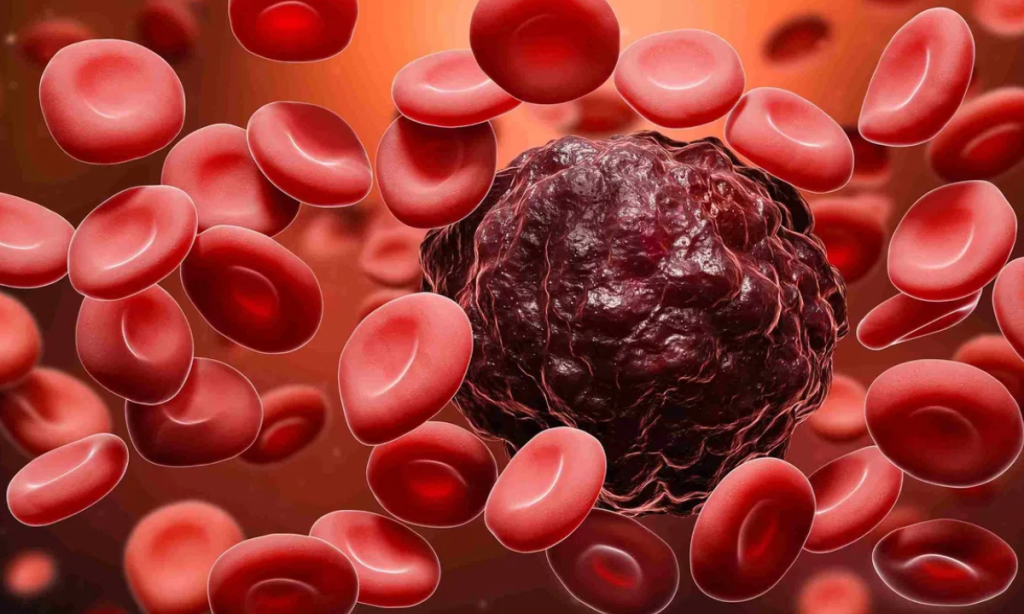
Blood Cancers: Symptoms, Diagnosis, and Treatment

The realm of blood cancers, formally known as hematologic malignancies, is vast and often misunderstood, frequently being reduced to the singular term ‘leukemia’ in public discourse. In reality, this category encompasses a diverse group of diseases—including leukemia, lymphoma, and myeloma—all stemming from a malfunction in the production and function of blood cells within the bone…
Read more

Palliative Care in Oncology: Comfort and Dignity

Palliative care, when discussed in the context of oncology, is frequently relegated to an uncomfortable footnote, often misunderstood by patients, families, and even some clinicians as a final, definitive step—a tacit admission that curative efforts have ceased. This deeply ingrained misconception represents a profound clinical and human disservice, as it actively delays the integration of…
Read more